A Taste of Europe Foodie Blog
Welcome to my blog!
#Blog 1: French regional dish – Crêpe
Crêpe in France
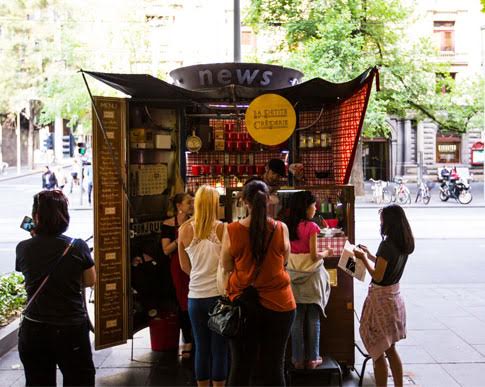
Crêpe is a regional dish originated from Brittany, a Northwest region in France. It is first introduced in 12th century when buckwheat flour was used in the region. It is a very light, thin pancake in either sweet or savoury, filled with different flavours and kinds of toppings, such as sliced fruit or spread. Common spread include Nutella, maple syrup, and whipped cream. The main ingredients of Crêpe are flour, eggs, and milk; and can be served in all temperatures. Sweet Crêpes are often served as a dessert in ways such as Mille Crêpes with many layers of Crêpes, folded, or opened up. Fillings are placed in the centre of the thin pancake, with the edges partially folding up. Savoury Crêpes with fillings such as ratatouille, cheese, and ham are often served as lunch or dinner options. As a tradition, Crêpe is served and offered in France annually on Le Chandeleur. This day was originally Virgin Mary’s Blessing Day, but later shifted to become the National day of Crêpe due to the tradition of serving Crêpe on the day.
Crêpe as a global dish
Due to globalisation, this French regional dish has become well known in many countries across the globe, and have transformed and served in ways to fit local food preferences. For example, crêpes are to be consumed during the celebration of Russian Butter Week. In Melbourne, crêpes are sold in food trucks, crêperies and restaurants with new fillings and combinations offered such as brownies, ice cream and marshmallows.
#Blog 2: Lygon Street – Little Italy of Melbourne
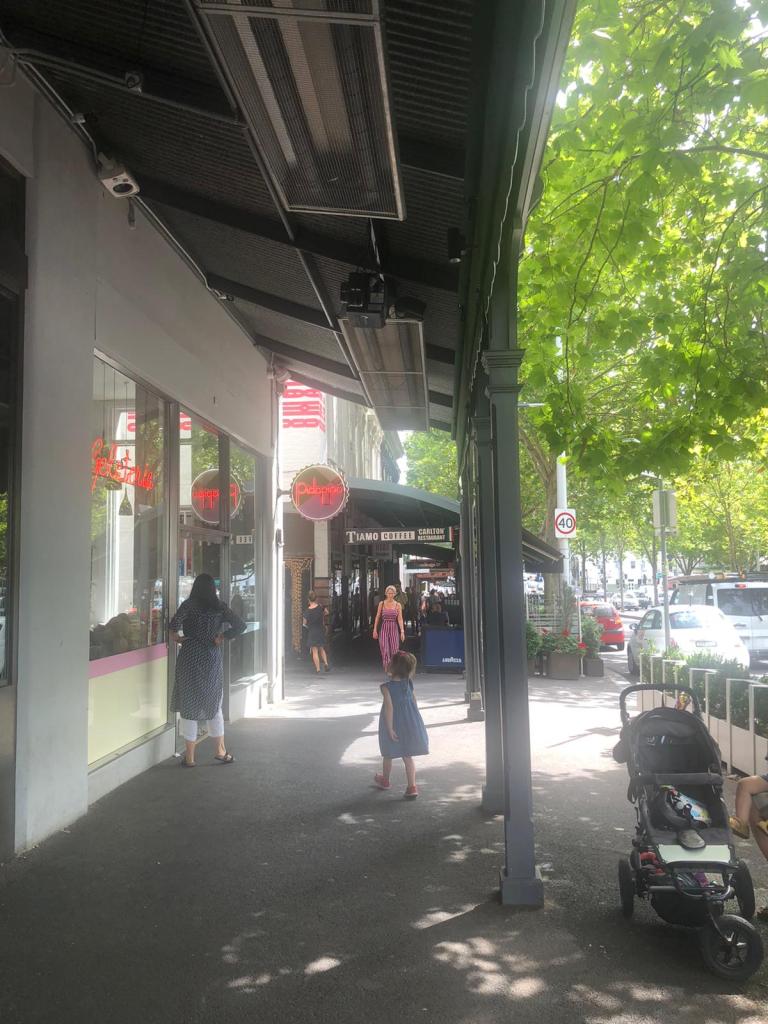
This Friday we were given the chance to visit the ‘Little Italy of Melbourne’, the North of Lygon Street, beyond Faraday Street). The street is located in Carlton, with many Italian restaurants and cafés. Following the Second World War, many Italians immigrated to Australia, with approximately 37% of Italian residents locating in Melbourne. Most of these Italian immigrants acquired or set up their family business on Lygon street, while others seek authentic Italian cuisine in this area. Most of these restaurants and cafés have claimed themselves ‘authentic’, while offering Italian meals with prices slightly higher than average. The Italian restaurants are mainly designed and furnished in a modern style that fits into the local area, providing a positive ambiance and atmosphere for both Italian and Australian customers.
The foodscape has made me feel surrounded by the Italian culture, and its localisation in the Melbourne food culture. My hometown, Hong Kong, as an international entrepot and a city full of migrants, is very similar to Melbourne. Hong Kong is also influenced by different regional Chinese food and European food culture while immersing into the local tradition and food preferences. Just like the Italian restaurants and cafés locating on Lygon street, they try to adapt the local preferences by changing their menu options for customers to enjoy their meal in Melbourne.
#Blog 3: Italian regional dish – Bistecca alla Fiorentina
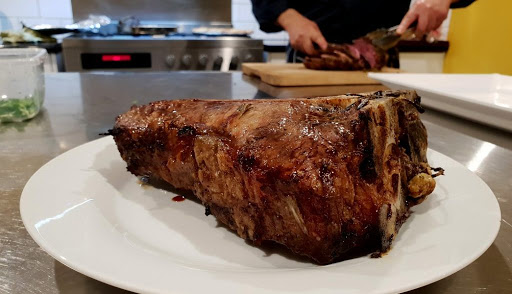
Bistecca alla Fiorentina is a T-bone beefsteak in Florentine style, specifically cooked with veal or heifer meat. It is a signature Italian dish because of its exquisite choice of beef, preparation and as well as a specific cooking method, that is, to cook on the grill or on the embers. Just like the name of the dish, Bistecca alla Fiorentina is originated from Florence, an Italian city, during the 19th century. Large amount of Florentine steak is being roasted back in the days when Italians celebrate for the feast of Saint Lawrence (Festa di San Lorenzo), making this dish historically significant.
The T-bone beefsteak has to be aged in cold room for at least two weeks, and to be cooked at room temperature. According to the founder of Bistecca alla Fiorentina, Corrado Tedeschi, this beef cut has to weigh at least 450 grams to enter the beefsteak party. Following this tradition, the steak mostly weighs around 1 to 1.5 kilograms with around five cm height. It is then cooked directly without seasoning, on a barbecue grill. The Florentine steak is also special for its cooking method, as it is crispy on the outside while warm but not cooked in the inside, then served with Tuscan beans and red wine according to the Italian tradition, making it a regional culinary classic dish.
Bistecca alla Fiorentina does not only offer in Italy, but also in other countries and cities including Melbourne. Some Italian eateries in Melbourne specialise in steaks and offer the Florentine steak to local customers.
#Blog 4: Film review – Chef’s Table
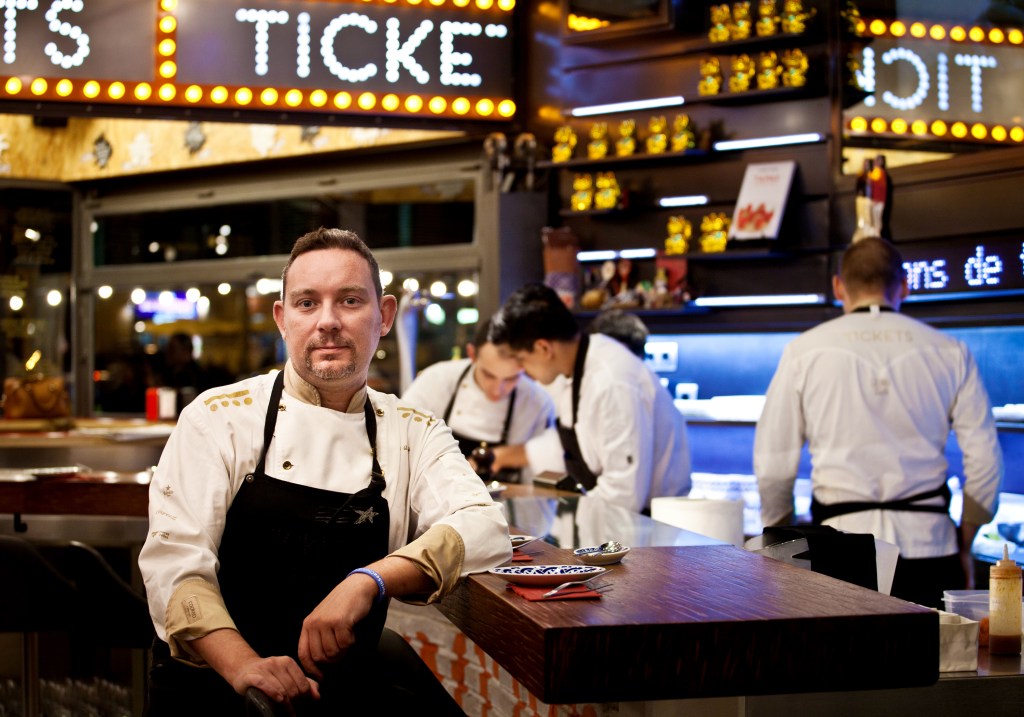
I was given the opportunity to watch an episode of a documentary called ‘Chef’s Table’. This documentary was aired in 2015 for five seasons, each with a chef sharing their stories, cultures, style of cooking, and culinary talents. The episode that I watched focused on Albert Adrià, a Spanish chef who is now the head chef of Enigma, Pakta, and Tickets, a one-star Michelin restaurant in Barcelona. He was often compared with his older brother, Ferran Adrià, who was considered one of the best chefs in the world. Albert Adrià started to develop his interest in cuisines with the support of his parents, and was later influenced by his brother to explore food as his career. He started to show interest in pastries in his early life and created various of pastries at El Bulli. He first made traditional french desserts, but then started to become ambitious with new creations of gastronomy. After creating thousands of cuisines including the spherification technique, releasing cookbooks and opening up bars and restaurants, Albert Adrià began to gain world recognition.
Albert believes that creativity is limitless and it is the key to innovating new cuisines. He found freedom in creating unique culinary techniques, for that is the point where I think he is very special for knowing what his talent is and never stops innovating at the new gastronomy world. This film also makes Albert’s belief stands out, from his creative mindset to being an experimental chef, Albert Adrià continues to enhance his professional culinary skills.
#Blog 5: Buon Appetito! – Carbonara
Carbonara has been one of my favourite European dish of all times. It is an Italian pasta made with egg, Pecorino Romano or Parmesan cheese, pancetta and black pepper. Carbonara was originated from Rome, Italy in the 19th century. The dish has quickly popularised within Italy, known as the ‘urban dish’, later on spread around the world and was modified in many variations. For example, peas, mushrooms and cream are added in the American carbonara recipe. For most of the carbonara dishes I had eating out in both Melbourne and my hometown Hong Kong, bacon were used instead of pancetta, while egg yolk was replaced by cream. The main challenge that I face while cooking the dish is to maintain the authenticity of carbonara. I started cooking the spaghetti in salted boiling water, then fried the pancetta pieces and mixed it with raw egg yolk together with the cooked spaghetti. Finally, I added parmesan cheese on top of the mixed spaghetti for better flavour.
I really enjoyed cooking this dish and I was glad that my peers liked it when I brought the share to the food fair on our last day of course. I am very satisfied with what I cooked as I have not been a very frequent cook at home. I prefer cooking this recipe than the modified version that I usually got to eat in restaurants. I believe other authentic recipes of other European dishes are also as good, and I will definitely try other recipes as well!

